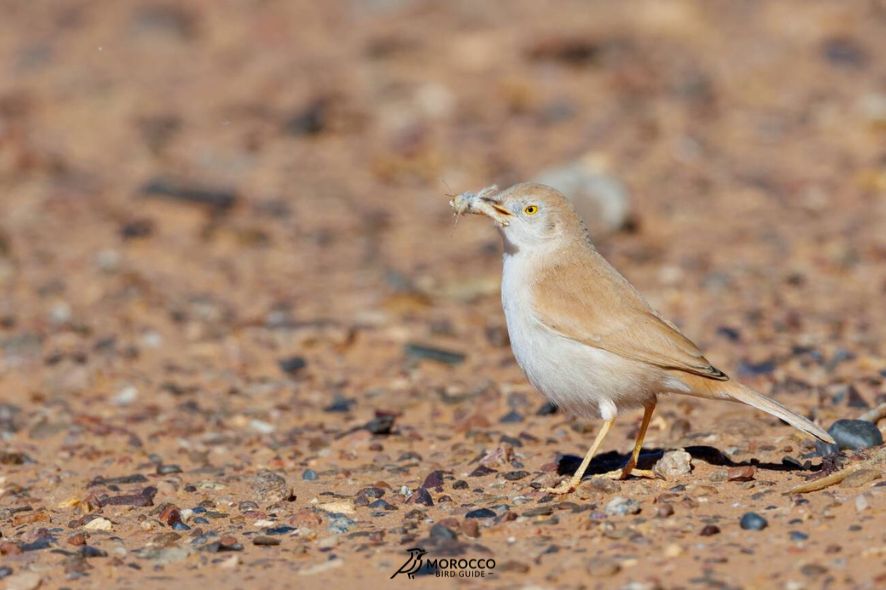


The Birds Of The Sahara Desert is one of the most fascinating and surprising birdwatching destinations in the world. At first glance, it may look like a lifeless sea of sand, but in reality, it is home to a remarkable variety of adapted bird species that thrive in extreme conditions. From golden dunes to rocky plateaus and hidden desert oases, the Moroccan Sahara offers unique habitats that support both resident and migratory birds.
Among the most famous birding areas is the stunning Merzouga Desert, where vast dunes meet desert lakes, creating an ideal ecosystem for rare and specialized species. This article explores the birds of the Sahara Desert in Morocco, their behavior, habitats, and the best times and places to observe them.
The Sahara in Morocco is not just sand dunes. It includes a mix of:
These diverse microhabitats allow different bird species to survive despite harsh temperatures and limited water.
Birds in this region have evolved special adaptations such as:
This makes the Moroccan Sahara one of the most specialized birding environments in North Africa.
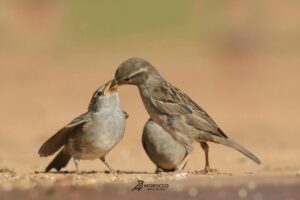
One of the most iconic birds of the Sahara, the Desert Sparrow is perfectly adapted to arid environments. It nests in small colonies near human settlements and desert vegetation.
This elegant desert bird is known for its long legs and graceful movements across the sand.
It is one of the most sought-after species in the Sahara region.
A highly adaptable bird commonly found in rocky desert areas.
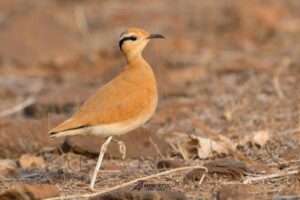
A fascinating ground-dwelling bird that blends perfectly with sandy environments.
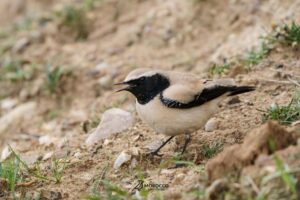
A seasonal visitor to Morocco’s desert regions.
While dunes dominate the Sahara landscape, oases and palm groves are rich birding hotspots.
A noisy and active bird often found near vegetation and human settlements.
Frequently seen around villages and oasis areas.
A common resident bird in desert towns.
Often spotted in semi-desert rocky areas near vegetation.
These areas provide essential food, shade, and nesting sites for many species.

Near the Merzouga Desert, seasonal lakes such as Dayet Srij attract migratory birds, especially after rainfall.
This contrast between sand dunes and water habitats makes the region extremely important for bird diversity.
Birds of prey are an essential part of the desert ecosystem.
A powerful raptor often seen soaring above rocky cliffs.
A fast and agile hunter found in open desert areas.
Specialized in hunting reptiles across arid landscapes.
A common small falcon often seen hovering over desert plains.
These raptors play a vital role in maintaining ecological balance in the Sahara.
The Moroccan Sahara is an important corridor for migratory birds traveling between Europe and sub-Saharan Africa.
During migration seasons, the desert becomes a temporary stopover for:
Oases and desert lakes provide critical rest and feeding points for these long-distance travelers.
The ideal seasons for birdwatching in the Moroccan Sahara are:
Summer can be extremely hot, while winter is quieter but still rewarding.
The Merzouga Desert is one of the top birding destinations in Morocco. Its mix of dunes, lakes, and desert vegetation creates a perfect environment for birdwatchers.
Typical birding experiences include:
This region is especially famous for sightings of Desert Sparrow and Greater Hoopoe-Lark.
Birds in the Sahara show fascinating survival strategies:
These adaptations make them some of the toughest birds in the world.
Despite its remoteness, the Sahara’s birdlife faces several threats:
Conservation efforts are important to protect these fragile ecosystems and ensure bird populations remain stable.
If you plan to explore birds in the Moroccan Sahara, keep these tips in mind:
The Sahara Desert in Morocco is unlike any other birding destination because it offers:
For birdwatchers seeking adventure and discovery, it is a truly unforgettable experience.
The birds of the Sahara Desert in Morocco represent one of the most specialized and resilient bird communities in the world. From the golden dunes of Merzouga Desert to remote rocky plateaus and hidden oases, every habitat offers something unique.
Whether you are a beginner or an experienced birder, exploring this vast desert reveals an entirely different side of Morocco one filled with life, movement, and extraordinary natural beauty.
The Sahara is not empty it is alive with wings, calls, and survival stories written in the sky.
 Optimized by Seraphinite Accelerator